Diving Zanzibar, Tanzania
Diving Zanzibar and Mnemba: dive sites by depth (12 to 50 m), 27°C water, 20 to 40 m visibility, calmest months, whale seasons and how to get there.
Alex RomanUpdated 3 min read
Diving in Zanzibar centres on Mnemba, a private island about 3 km off the north-east coast of Unguja (the main island), ringed by a reef roughly 7 by 4 km that forms the Mnemba Island Marine Conservation Area. The reef runs from coral gardens at 12 m for snorkelers, through a 20 m site with large green and hawksbill turtles, to the Kichwani drift at 20 to 40 m and a wall from 30 to 50 m. Water temperature stays around 27°C all year and 20 to 40 m visibility is normal. The sea is calmest, with the best visibility, around November and again around March.
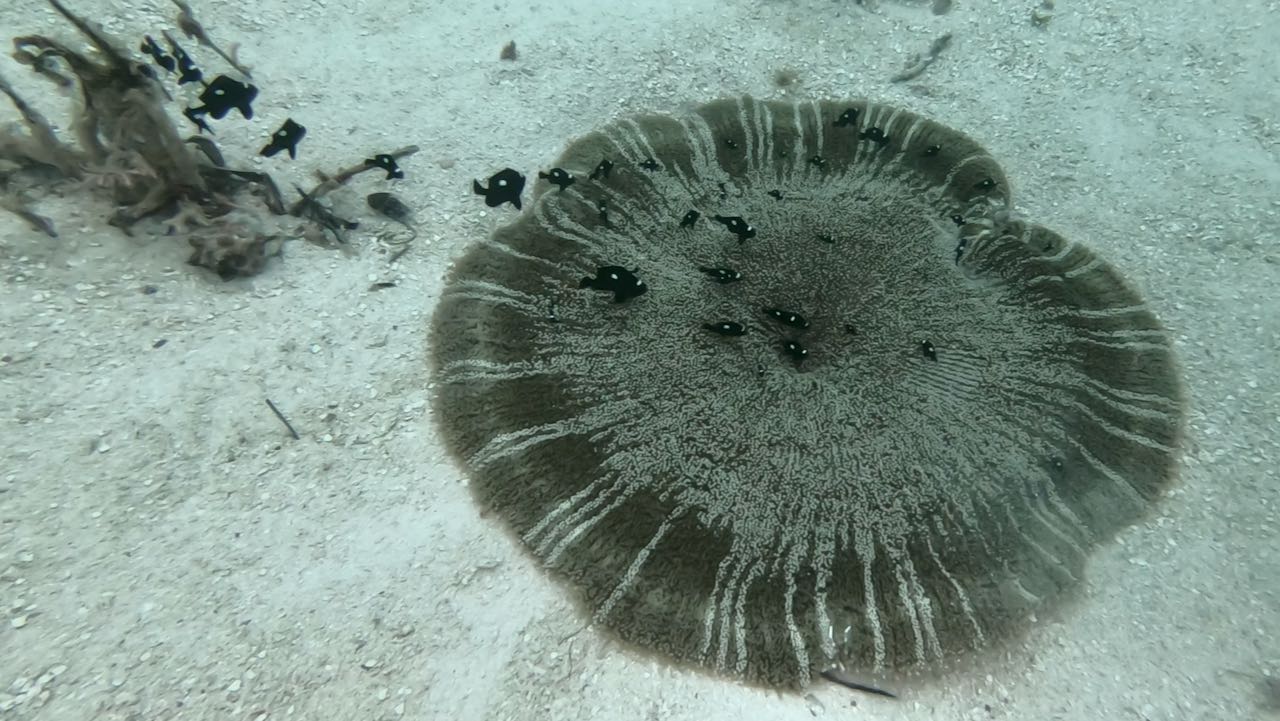
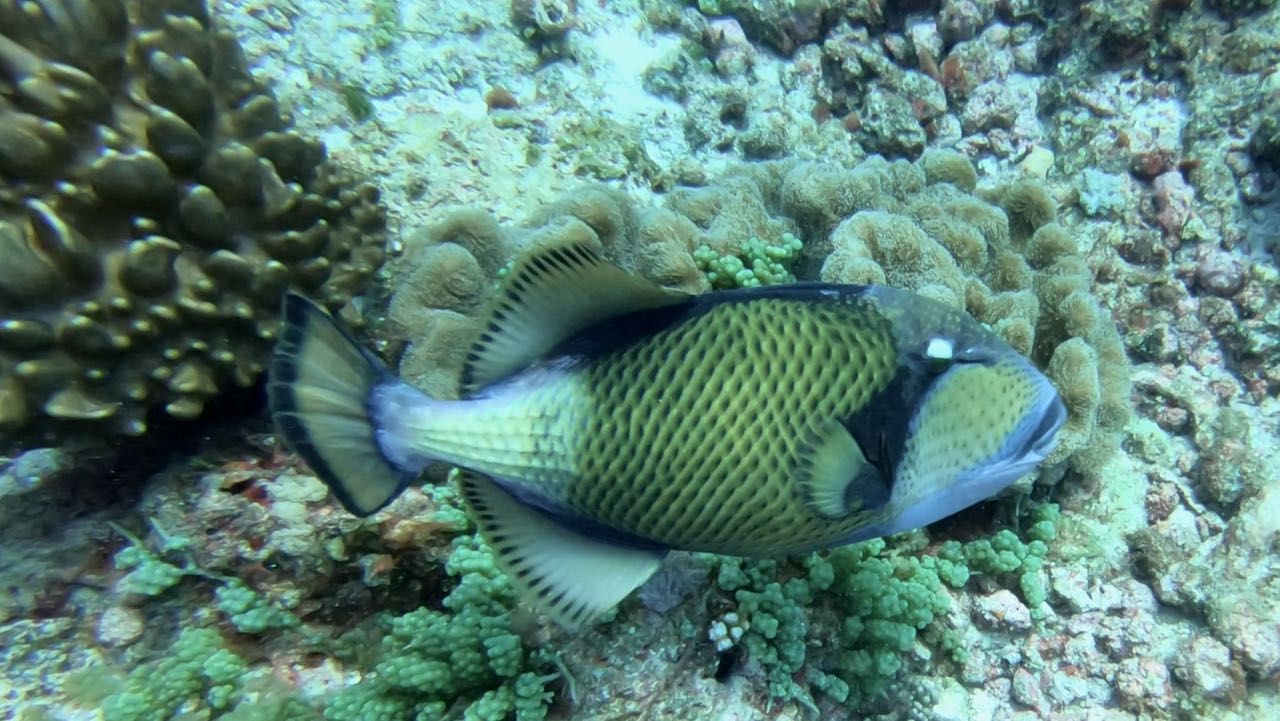
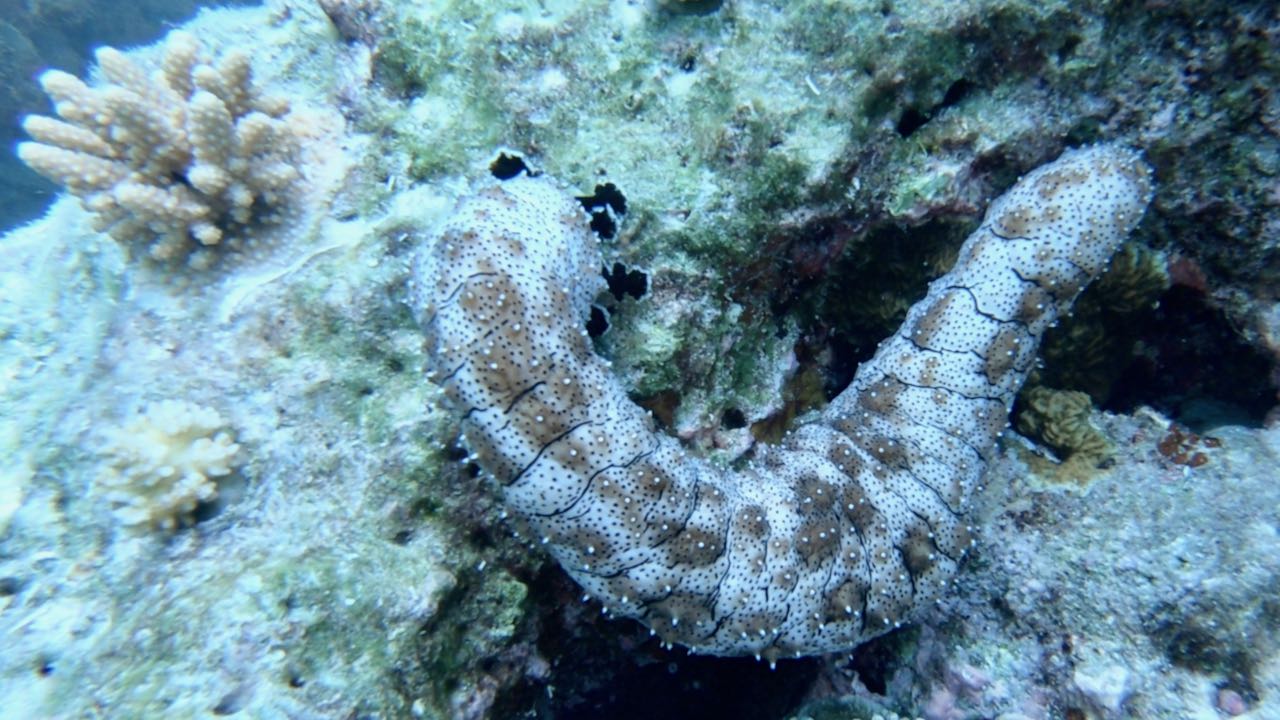
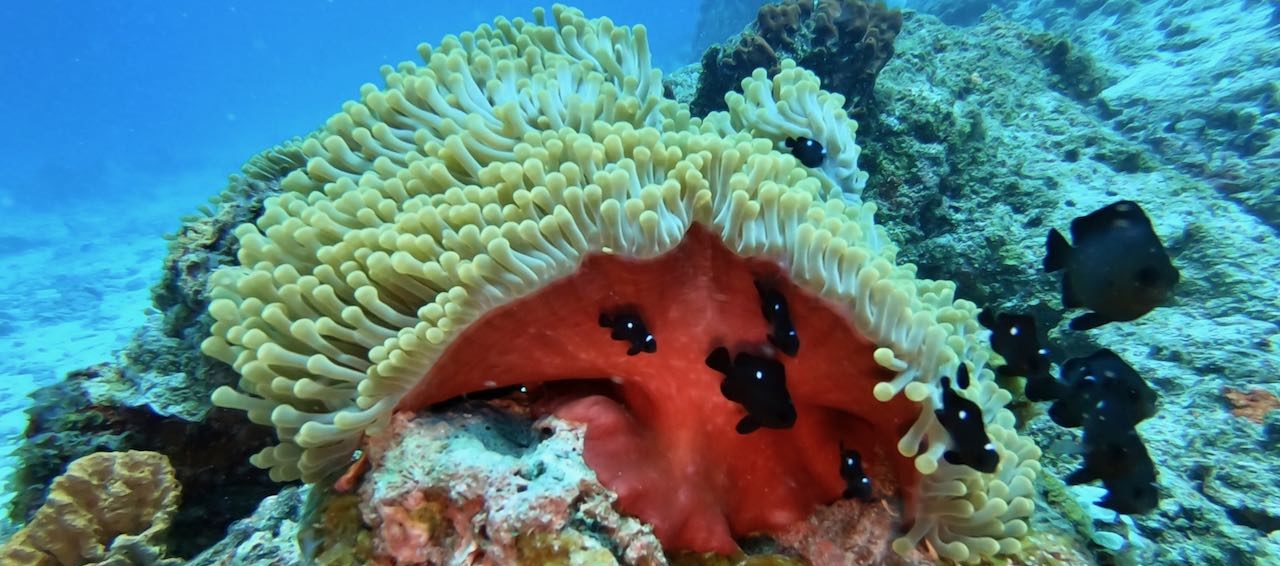
The video below was filmed diving at Zanzibar. The gallery at the end shows a titan triggerfish over hard coral, two large anemones with domino damselfish in the tentacles, and a sea cucumber on the reef.
Mnemba dive sites, shallow to deep
The sites sit on one reef, from snorkel depth to a 50 m wall:
- West Gardens (12 m) and Wattabomi (shallow coral pinnacles): the sites for snorkelers and new divers.
- Aquarium (20 m): large hawksbill and green turtles, usually with a slight current.
- Kichwani (20 to 40 m): a drift dive, with the depth set by the group's experience. Eagle rays and mantas pass below 30 m, but not on every dive.
- Big Wall (30 m, dropping to 50 m): a drift along a vertical wall with overhangs and small caves that often hold lobsters.
Kichwani and Big Wall are drift dives with depth, for experienced divers. Leven Bank, off the north of Unguja, has powerful currents that draw kingfish, trevally and tuna.
Three dolphin species (bottlenose, spinner and common) are seen around the reef, which holds around 600 species of reef fish, and the island beach is a green turtle nesting site between February and September. The island is private: non-guests cannot land, and a 500 m exclusion zone applies around it.
When to dive Zanzibar: rain, calm months and whale seasons
Mnemba is dived all year, but rain and wind set the quality of a trip. Rainfall peaks in March, April and May, with a smaller peak in November and December; July and August are the driest months. The wind follows the two monsoons, the north-east Kaskazi and the south-west Kusi, and the calmest water at Mnemba comes around November and March.
Two seasonal animals are worth planning around. Humpback whales are off Zanzibar from July to October, on their breeding migration. Whale sharks are resident at Mafia Island, south of Zanzibar, with peak sightings from October to March; Mnemba lists them too, but the resident population is at Mafia.
Getting to Mnemba: flights, the Dar es Salaam ferry and boat times
Fly into Abeid Amani Karume International Airport on Unguja, served by Qatar Airways, Turkish Airlines, Ethiopian Airlines, Kenya Airways and flydubai among others, or fly to Dar es Salaam and take one of the fast ferries that cross several times a day. From Stone Town it is about a 90-minute drive to the coast opposite the island, then a 20-minute boat crossing. Dive centres on the northern beaches at Nungwi and Kendwa also run boats to Mnemba; staying at Matemwe, on the coast facing the island, gives the shortest crossing.
Pemba, Mafia and combining Zanzibar with a safari
Two other islands have their own diving. Pemba, north of Unguja, has sites to 40 m; Mafia has the resident whale sharks. All three are on the Tanzania diving page. If you are combining the coast with a safari, the northern circuit guide covers Manyara, Ngorongoro and the Serengeti, and scheduled flights link the Serengeti airstrips with Zanzibar.